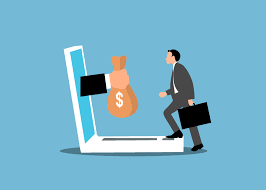
As more and more people start turning to online resources for their news, there are concerns over the growing trend for paywalls on popular news sites. These prices have a wide range and although there are many sites that do not require payments to access, many well-known companies are starting to implement them.
The most popular news website with a paywall right now is the New York Times. The site was made popular by their games including Wordle, Connections, and the Crossword. However, they are not the only online news source that is hidden behind a paywall. Other websites include The Wall Street Journal, The Washington Post, and BBC News to name a few. All of these sources have some type of paywall in order to access their articles.
This is not a new trend, with the New York Times implementing their paywall in 2011 and The Wall Street Journal having a paid version going back to 1997. So while this trend in digital media isn’t new, it is concerning. With an increased cost to access news online, it becomes increasingly difficult for lower income people to learn about the world around them. However, I believe that is what they are going for by adding these paywalls. See, it becomes easier to control what the people in lower income brackets see when they only have access to a couple news outlets. For instance, if a major billionaire had tons of employees that they knew were most likely unable to afford premium news subscriptions, it might be beneficial for them to control the news sources that do not have a paywall and let the ones with a paywall go. That way, if they make budget cuts directly impacting their employees it becomes harder for them to find out about the budget cuts because the news outlets controlled by them won’t report on it.
According to Pew Research Center, almost 83% of American adults claim to have never paid for a news subscription. Reasons for why vary between access to some free articles elsewhere, the price being too expensive, and that the news these sources have isn’t worth paying for. But, when you break down the numbers it is easy to see a divide in who exactly is willing to pay for these subscriptions. For example, 21% of Democrats interviewed said that they paid for news in the last year compared to only 14% of Republicans interviewed. These statistics from Pew Research Center may show a reason behind the growing political divide in America. Additionally, paying for news was also found to be linked to higher income status, higher education levels, and mostly white respondents. The groups at the top of each of these categories were found to purchase news most often which may also play an impact in today’s current political and social climate.
So while the online paywalls blocking news sites from being accessed aren’t anything new, they do clearly impact who is able to see and read about information that affects everyone daily.